Table Of Content
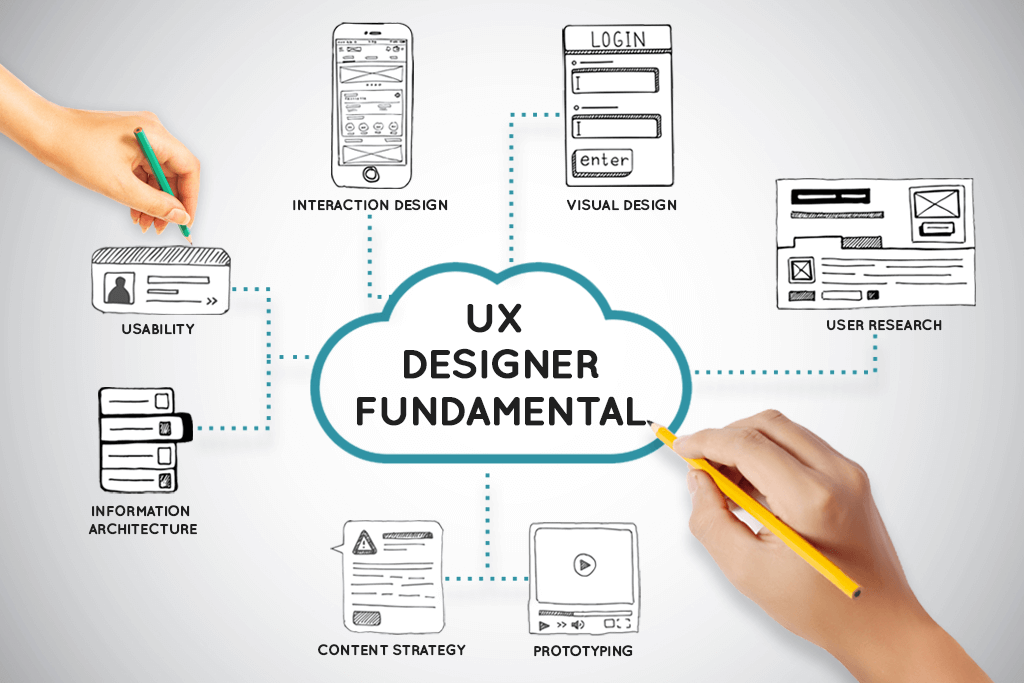
By leveraging all of the graphic design basics we’ve covered in this guide to build a brand that feels true to who you are. I highly recommend this course both for beginners and graphic designers with some experiences. Creative professionals will spend a lifetime honing their design skills in order to perfect their craft. Luckily, you don’t need to spend years going to art school to improve your design capabilities and grow as an artist. The first step towards developing your design skills is to be sure you have a solid understanding of the 12 fundamental principles of design.
Beginning Graphic Design: Fundamentals of Design
This allows developers to study user behaviour in the real world. Tracks ad performance and user engagement, helping deliver ads that are most useful to you. Throughout the course, we’ll supply you with lots of templates and step-by-step guides so you can go right out and use what you learn in your everyday practice. Dominance can be established by using positioning, shape and colour, among many other factors.
You Can Be a Designer: Start With These Fundamentals
If you only want to read and view the course content, you can audit the course for free. The associative mind of a customer can link your emailer with the massive signage they saw on your office building and put two-and-two together. Remember, emphasis should be used purposefully and sparingly to avoid overwhelming the viewer. Creativity is subjective, which is why everyone interprets your design differently. What matters is how you can get the most considerable sum of people to interpret your design the way you want.
Lines and shapes
Car Design Fundamentals: Volumes and proportions - Hagerty Media
Car Design Fundamentals: Volumes and proportions.
Posted: Tue, 28 Dec 2021 08:00:00 GMT [source]
In conclusion, mastering the basics of design is an enthralling and transformative experience. When we talk about “demands” in the context of design, we are not referring to the needs of a government or company. Instead, we are talking about the wants and conditions of the end-users of a particular service or product. Understanding these demands is critical to the design process, enabling designers to create functional and meaningful products for their target audience.
What are the principles of design?
For instance, consistency ensures that controls remain uniform throughout a design, while proximity suggests related items be grouped. Visual hierarchy places importance on presenting the most vital information at the top. By understanding and applying these principles, designers can create intuitive, aesthetically pleasing, and practical designs that cater to user needs and preferences. Hierarchy in design refers to the arrangement of elements in a way that signifies importance. It guides viewers' eyes, ensuring they focus on primary information first, followed by secondary and tertiary details. Designers establish a visual hierarchy by employing size, contrast, color, and spacing, directing attention and aiding comprehension.
They’re informed and focused on finding brands that align with their values. They’re demanding more across the board, and companies will have to raise the bar to pass muster,” says Karl Haller, Global Leader for the IBM Consulting Consumer Center of Competency. “To build a purpose-driven business you have to first define your core purpose and values. You should be able to clearly articulate why your business exists beyond making a profit. What positive impact do you aim to have on your customers, community, or the world? Once you’ve defined your purpose, let it guide all aspects of your business,” says Leah Dergachev, Founder & Chief Storyteller of Austley, a hybrid marcom agency and consultancy.
Balance
I'll provide every student with at least one full assessment of your design and give you comprehensive feedback on how you can improve. My #1 goal is for you to come out with a design you're proud of. As I take on more projects, these case studies will be updated with new, exciting projects. The below image shows a site translated to Hungarian via Google Translate. You’ll see the calls-to-action aren’t HTML – instead, they’re images that include the text, which means the text can’t be translated.
What makes this learning experience unique?
Cadence Design Systems, Inc.'s (NASDAQ:CDNS) Stock Is Going Strong: Is the Market Following Fundamentals? - Yahoo Finance
Cadence Design Systems, Inc.'s (NASDAQ:CDNS) Stock Is Going Strong: Is the Market Following Fundamentals?.
Posted: Mon, 12 Feb 2024 08:00:00 GMT [source]
Repetition occurs when an element or elements of your design appears more than once within the composition. Any visual component may be repeated throughout the pictorial plane such as color scheme, shape, or motif. Emphasis allows for specific parts within the image to stand out from the overall design. Artists use emphasis to direct the viewer’s attention to a desired focal point or multiple points of focus.
Elements of Art and Design

You’ll also learn about the types of grid systems and how to effectively use grids to improve your work. Scale can be used to create a hierarchy for and add emphasis to certain elements on a design. Balance is the principle governing how we distribute the elements of a design evenly.
When working with lines, pay attention to things like weight, color, texture, and style. These subtle qualities can have a big impact on the way your design is perceived. 21st-century consumers increasingly seek brands that align with their values.
It can be used to create specific effects, emphasize the significance of certain elements, and add visual appeal to your designs. Emphasis is used to focus the viewer’s attention on a certain part of a composition. The effect is achieved by manipulating elements (like color, shape, and size) to make specific parts of a design stand out.




No comments:
Post a Comment